A Week of Golden and Blue Hour Photography in Hamburg
Some cities reveal themselves slowly. Hamburg wasn't one of them.
From the moment I arrived, it was clear that this was a city built for photography. Over the course of a week, I explored its waterfronts, historic districts and modern architectural landmarks, focusing primarily on the magical hours around sunrise and sunset. By the end of the trip, I had produced a portfolio of images that I am genuinely proud of and one that captures both the character and diversity of this remarkable city.
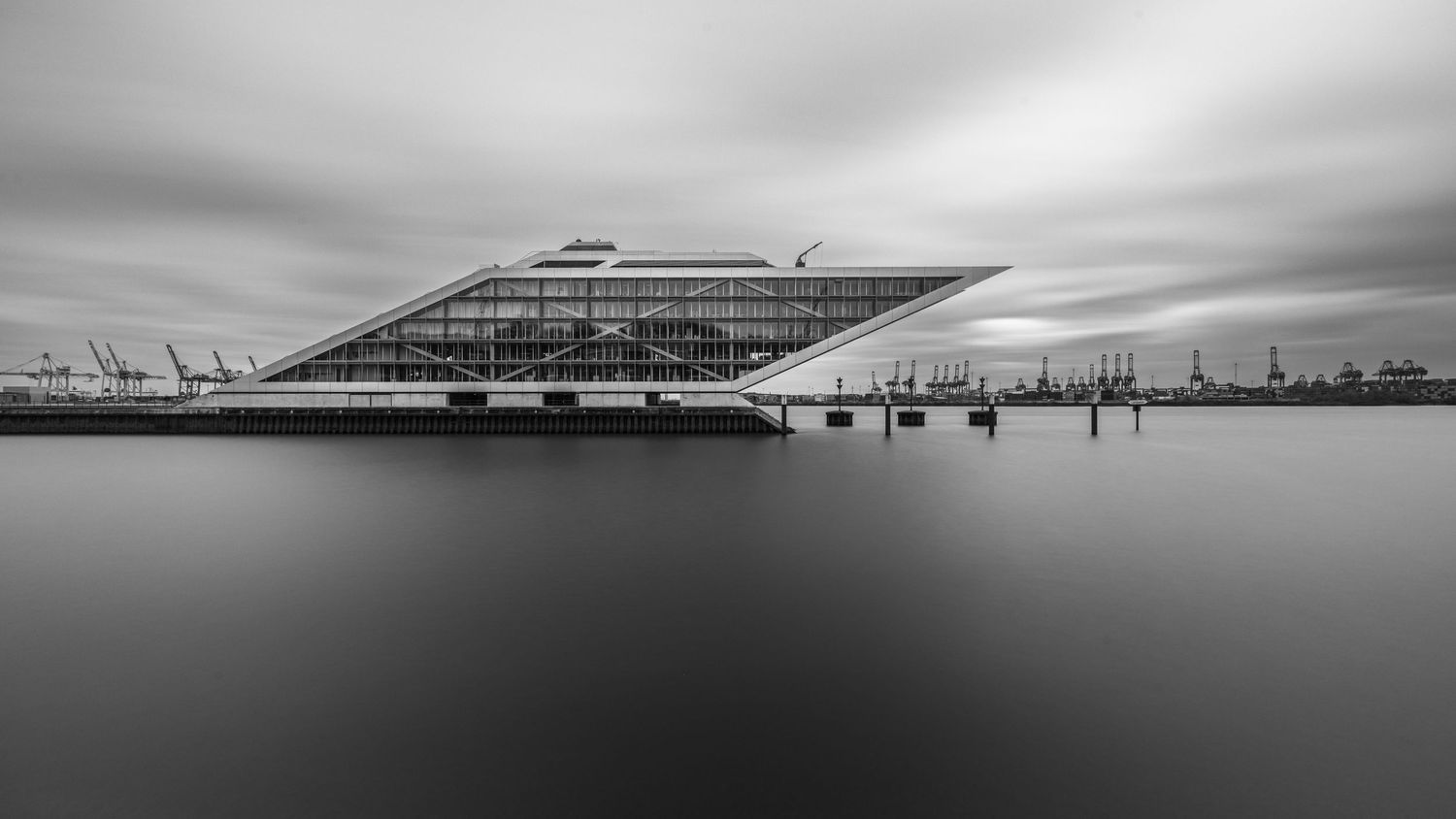
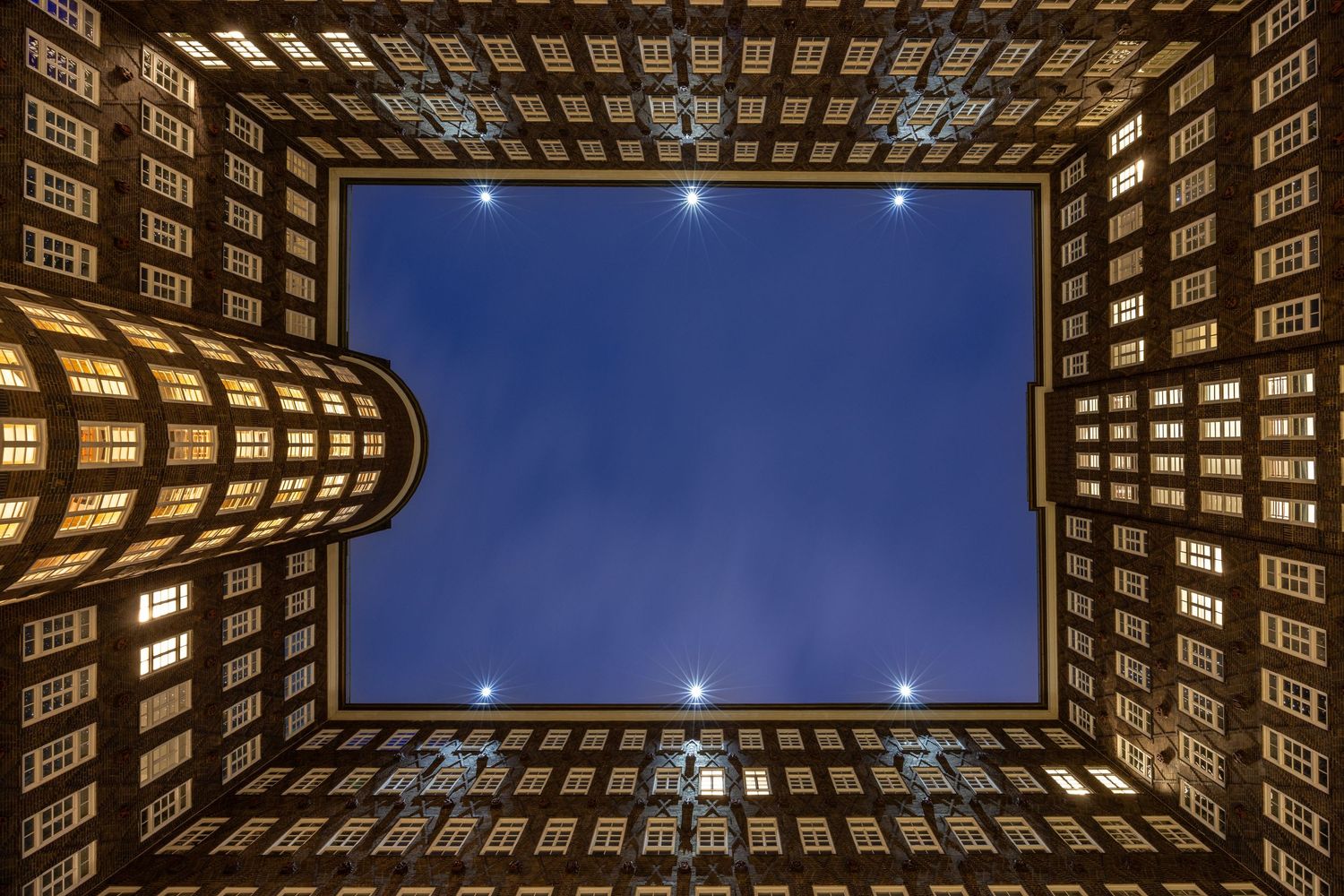
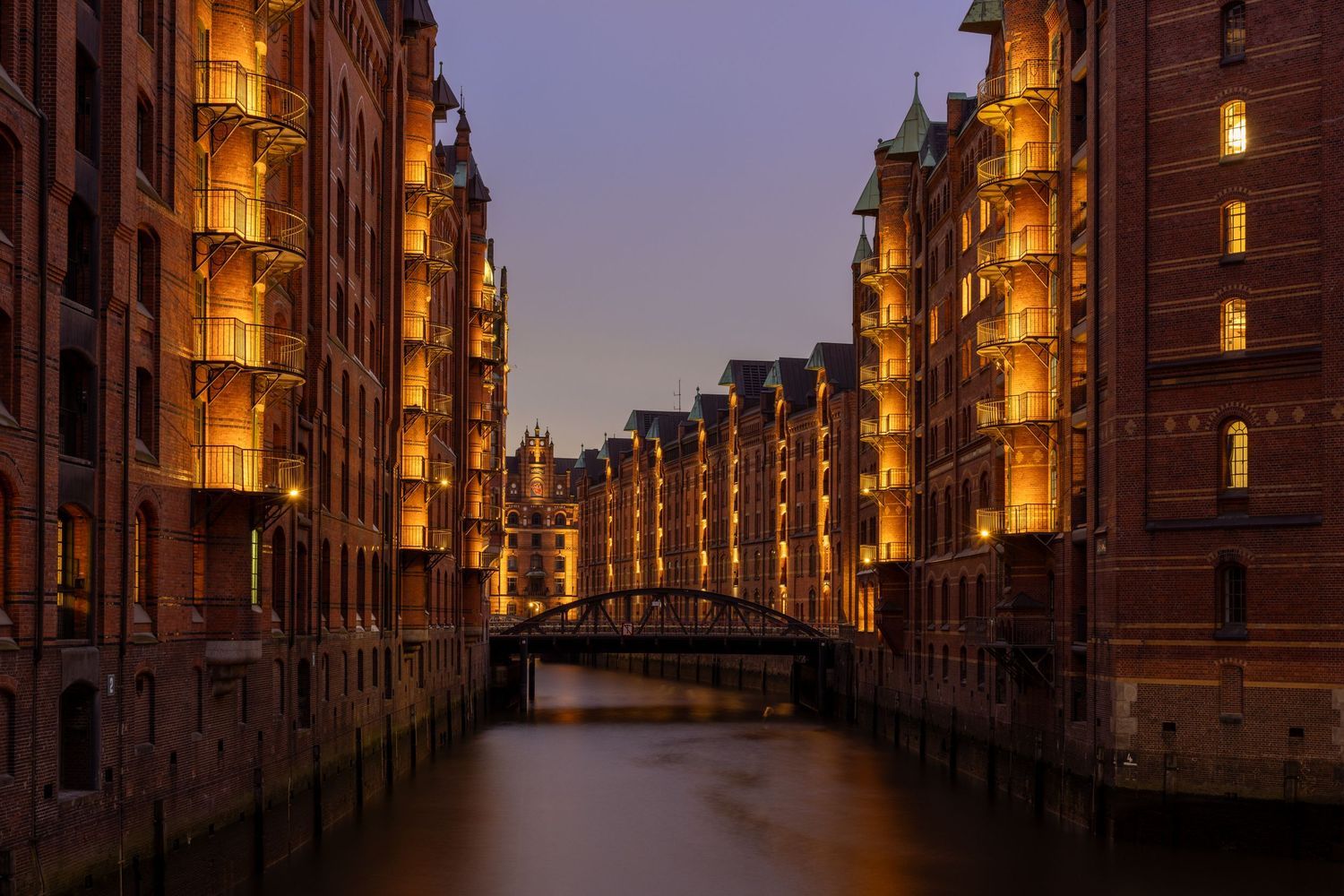
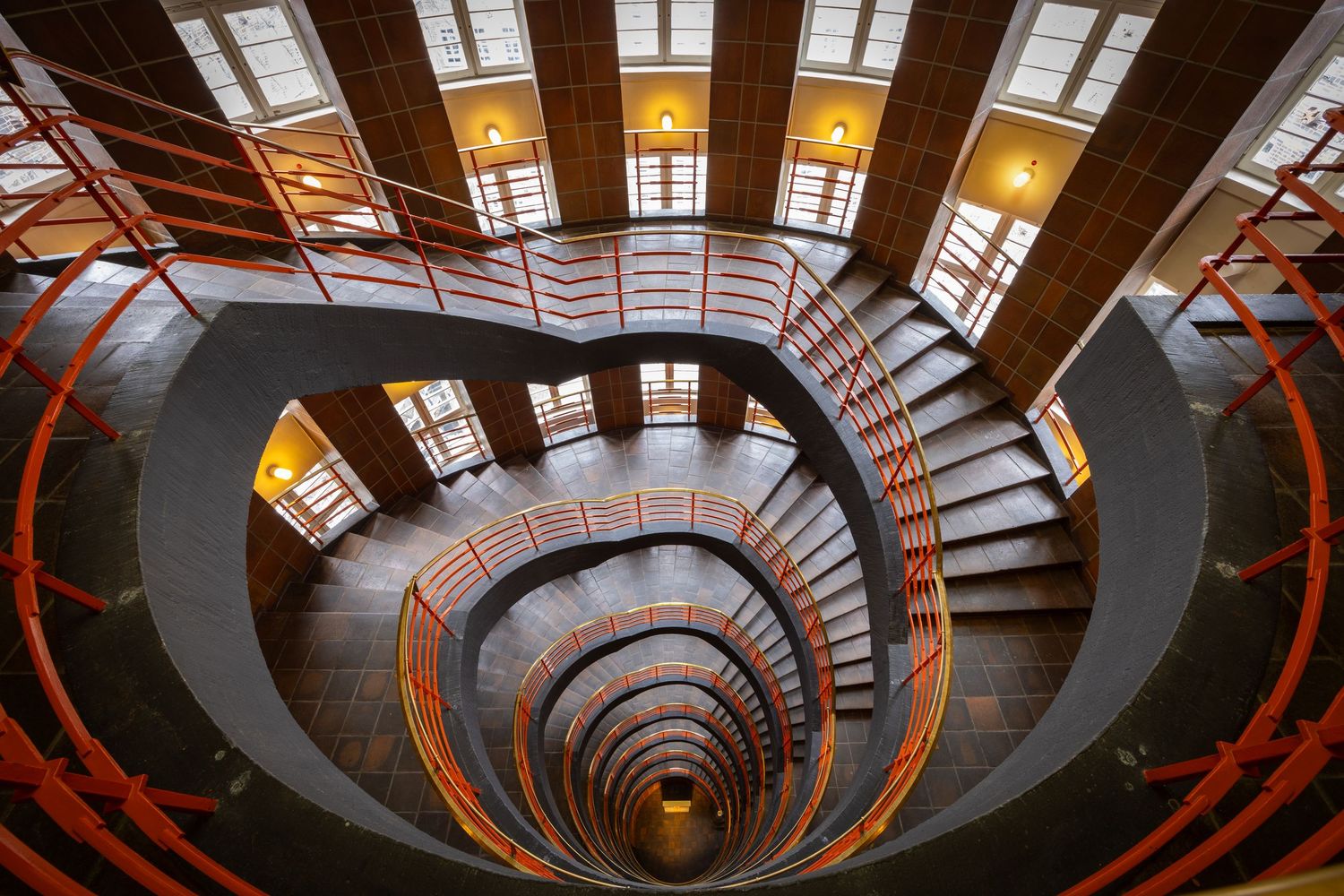
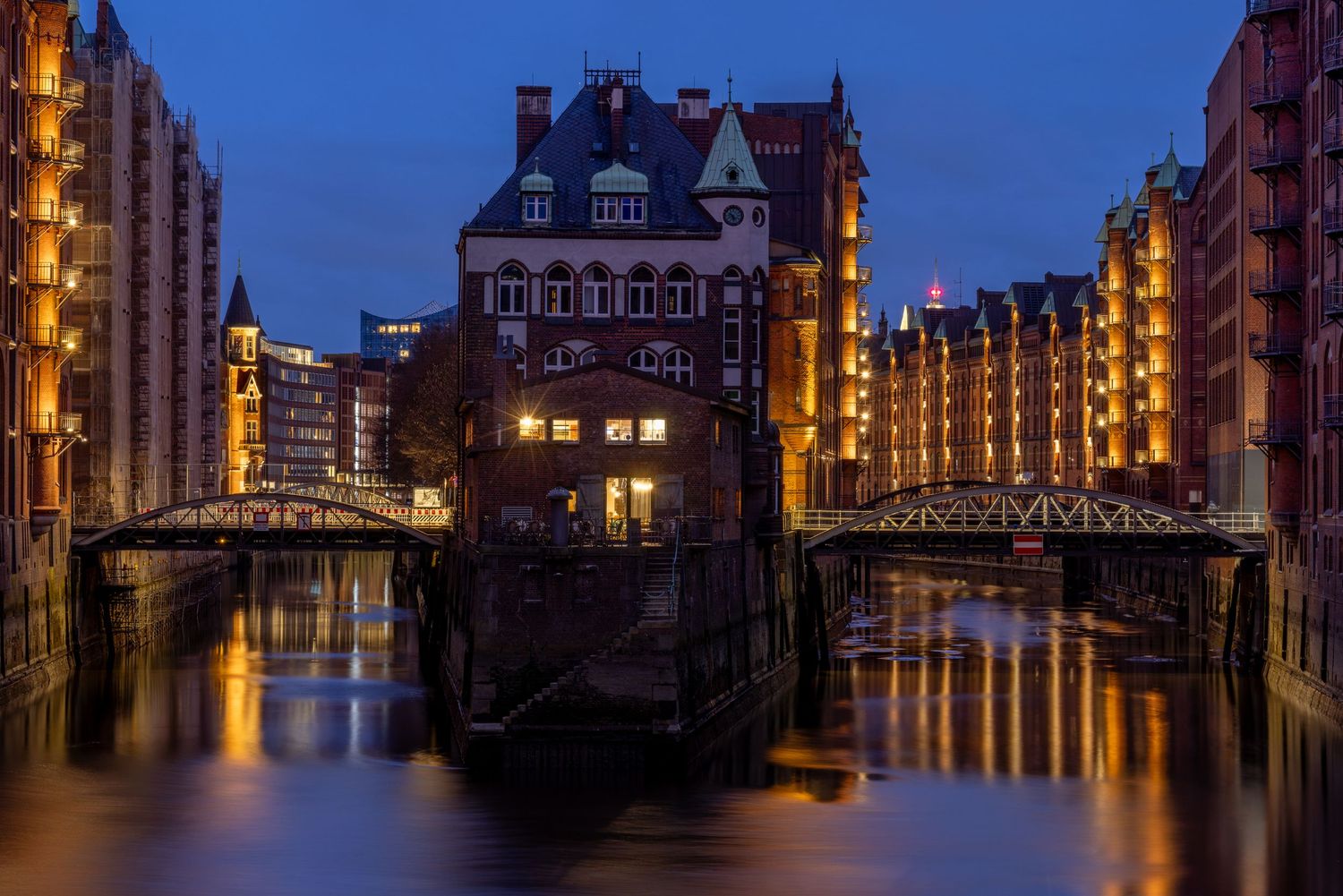
Hamburg's architecture is a fascinating blend of old and new. The historic warehouses of Speicherstadt sit comfortably alongside contemporary glass and steel structures, creating endless opportunities for composition. During golden hour, the warm light transformed red brick facades into glowing landmarks, while blue hour brought reflections, city lights and dramatic skies that added a completely different mood to the images.
One of the greatest pleasures of photographing Hamburg was simply how accessible everything was. Unlike many cities where moving between locations can consume valuable shooting time, Hamburg's public transport network made exploring effortless.
The U-Bahn and S-Bahn systems are extensive, reliable and remarkably easy to navigate. Whether travelling to a sunrise location before dawn or heading across the city for an evening blue hour shoot, I could move quickly and efficiently between photographic opportunities.
The ferry services were an unexpected highlight. Included as part of the public transport network, they provided not only a practical means of travelling around the harbour but also offered unique perspectives of the city itself. Watching the skyline emerge from the water during the golden light of early morning was an experience in itself, while evening crossings provided ever-changing views of illuminated buildings reflected across the Elbe.
The affordability of Hamburg's transport network was another welcome surprise. A relatively inexpensive travel pass provided access to trains, underground services, buses and ferries, allowing me to focus on photography rather than logistics. It meant I could revisit locations multiple times, returning when the light or weather conditions looked particularly promising.
As any city photographer knows, success often comes from being able to react quickly to changing conditions. Hamburg's transport system made this possible throughout the trip.
The city's waterways added another dimension to the photography. Canals, bridges and harbour basins created countless opportunities for reflections, particularly during blue hour when the city lights began to illuminate the scene. Combined with the striking architecture, these elements helped create images with both scale and atmosphere.
The modern developments around HafenCity were particularly rewarding. The clean lines, contemporary design and interplay between glass, steel and water created compositions that changed dramatically depending on the quality and direction of light. Nearby, the historic streets and warehouses of Speicherstadt provided a wonderful contrast, reminding visitors of Hamburg's rich maritime heritage.
Weather conditions were generally cooperative throughout the week, allowing me to make the most of both golden and blue hour sessions. While not every sunrise or sunset delivered spectacular colour, there was always enough interest in the sky to complement the architecture below.
Of course, as with any modern city, Hamburg is constantly evolving. Throughout the week I encountered numerous construction projects, from new developments to restoration work, and several of the compositions I had researched before travelling were either partially obstructed or simply unavailable. While this was occasionally frustrating, it is also part of the reality of photographing a living, changing city. The upside is that Hamburg will undoubtedly look different in a few years' time. New buildings will have emerged, construction sites will have disappeared, and fresh photographic opportunities will have taken their place. Perhaps that's a good reason to return one day and see how the city has changed.
Looking back, what stands out most is how enjoyable the entire experience was. Hamburg is not only a visually rich city but also one that makes photography easy. The combination of world-class architecture, extensive waterways, reliable public transport and affordable travel creates an environment where photographers can spend less time planning and more time creating.
By the end of the week, I returned home with a portfolio that exceeded my expectations. The images capture a city that is modern yet historic, vibrant yet understated, and endlessly rewarding to explore with a camera.
Hamburg may not always appear at the top of photographers' destination lists, but after spending a week there chasing the light, it is a city I would happily return to and one that I would highly recommend to anyone with an interest in urban and architectural photography.