Chasing Orion in Snowdonia: A January Photography Adventure
January in Snowdonia is never guaranteed to deliver what the forecast promises. As landscape photographers, we know that weather apps can offer hope, but the mountains ultimately decide what conditions we get. This trip was a perfect reminder of that.
My plan was simple enough: head to Llanberis and capture Orion rising above the famous Lonely Tree. With clear skies forecast, the prospect of photographing one of winter's most recognisable constellations over one of Snowdonia's most iconic compositions was hard to resist.
Unfortunately, the reality was rather different. As I arrived, thick cloud rolled across the mountains and strong winds swept through the valley. What was forecast to be a promising period for astrophotography quickly turned into several nights of disappointment. Night after night, the clouds refused to break, obscuring the stars and leaving Orion hidden from view. Each evening brought renewed hope as weather forecasts suggested possible clear spells, only for another blanket of cloud to arrive as darkness fell.
After several consecutive cloudy nights, it became clear that the image I had travelled for simply wasn't going to happen on this trip.
Yet photography trips are rarely about achieving the image you planned. Often, they become something entirely different.
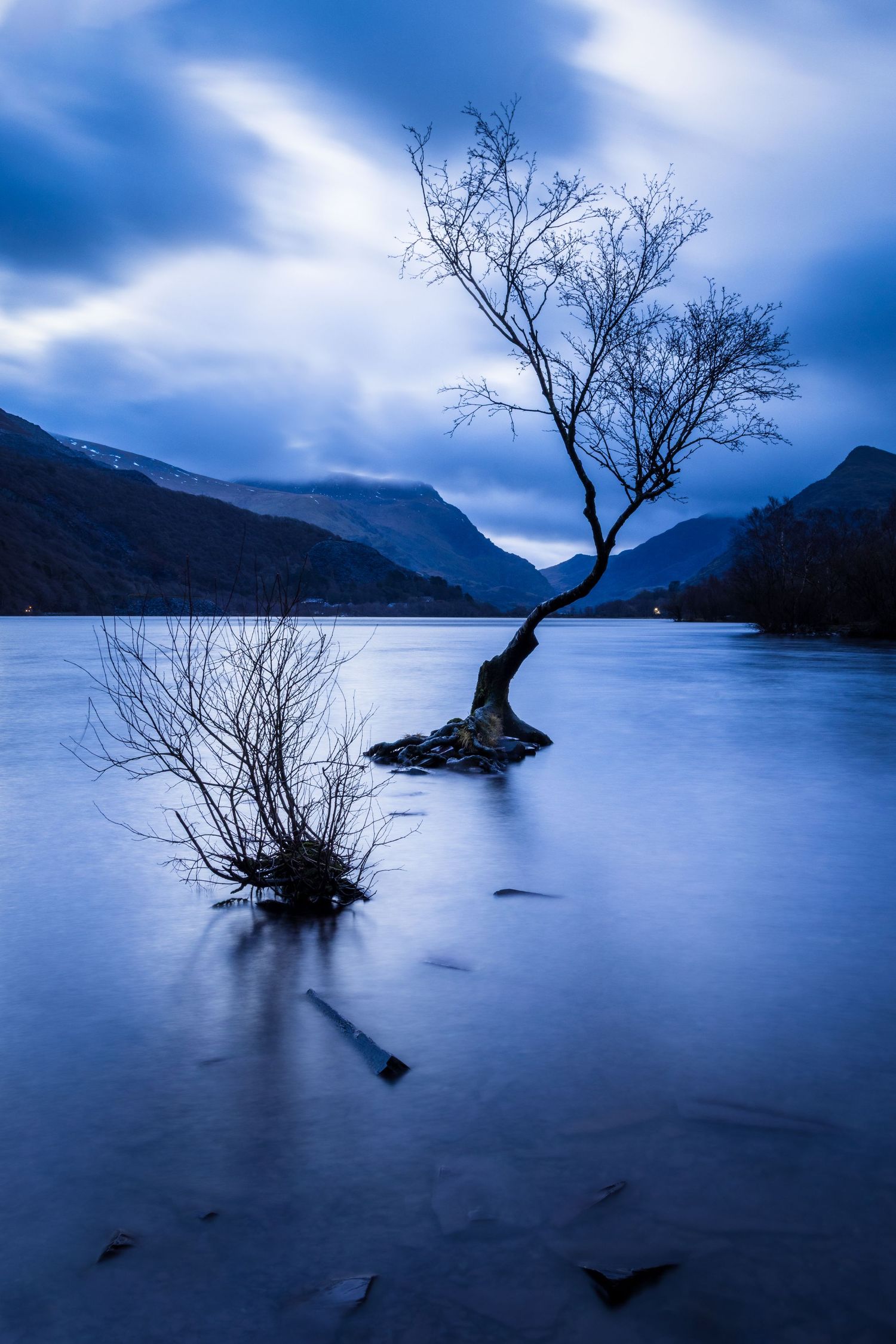
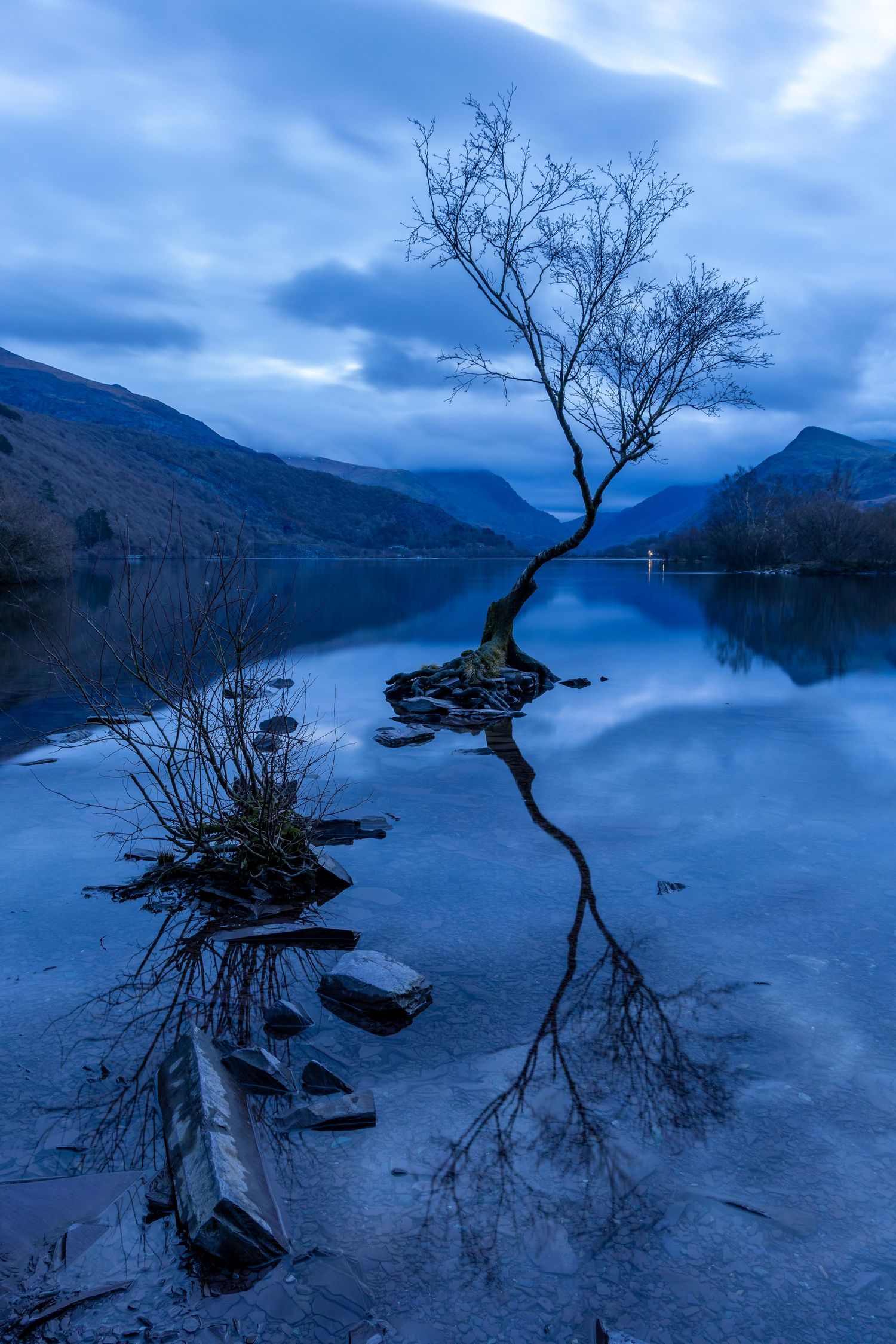
Over the following days, I returned repeatedly to the Lonely Tree during blue hour. While the stars remained elusive, the landscape itself was constantly changing. The reservoir water level gradually dropped each day, revealing new foreground textures and subtly altering the composition. What had initially seemed like disappointing conditions became an opportunity to explore a familiar scene in different ways.
Each morning and evening brought a new interpretation. Reflections changed as the water receded, exposed rocks added interest to the foreground, and the shifting weather painted the sky with an ever-changing palette of blues, purples and soft winter tones. The challenge became less about capturing a single image and more about documenting the evolution of the landscape over several days.
Despite the cold temperatures, there was something rewarding about returning to the same location repeatedly and seeing details emerge that would have been missed during a brief visit.
With the weather continuing to frustrate any hopes of astrophotography, I decided to explore further afield and headed towards Tryfan.
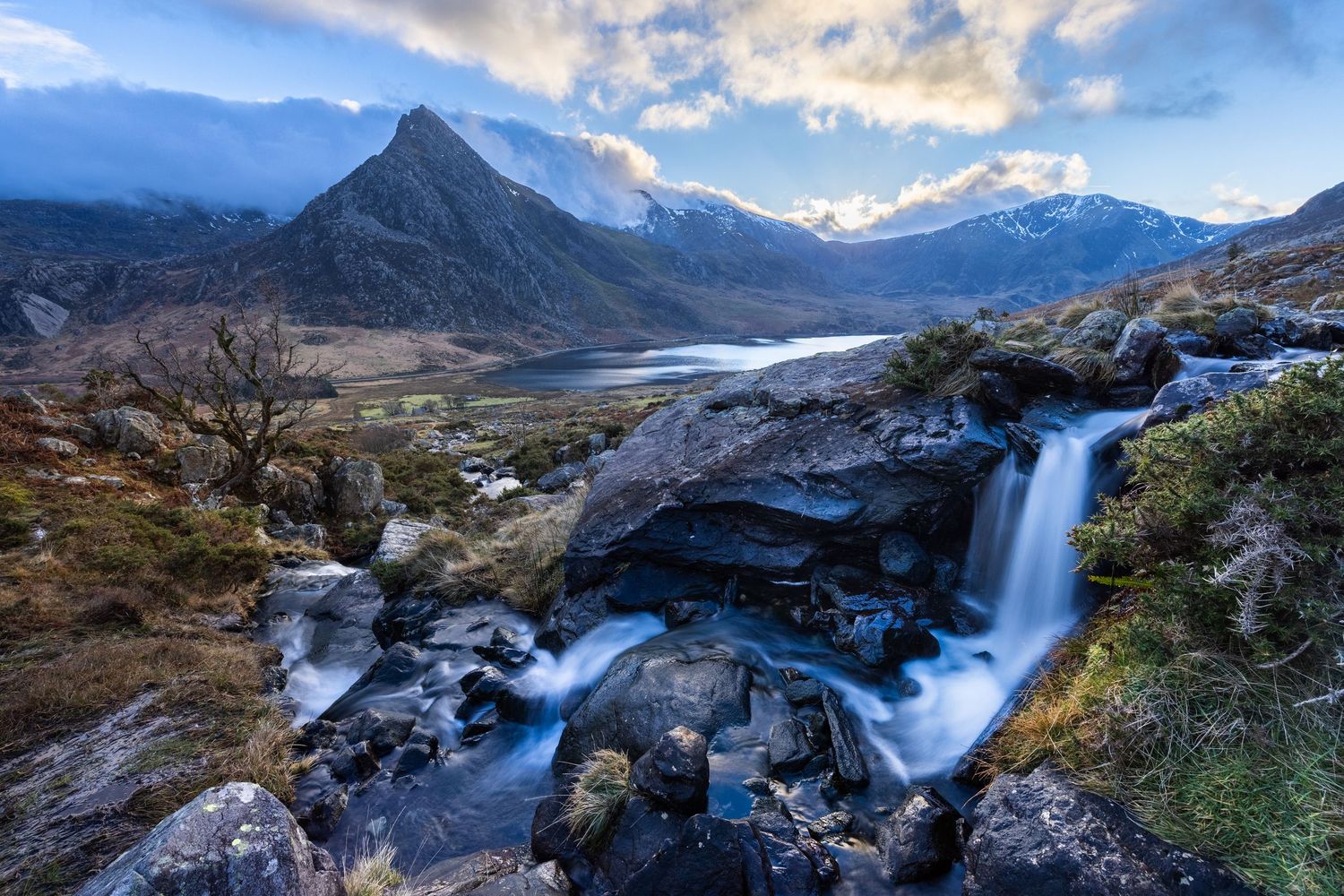
One of the highlights of the trip came from a location on the opposite side of the valley, where a mountain stream provided a perfect foreground leading towards Tryfan. The flowing water created endless compositional possibilities, and the rugged character of the mountain dominated the scene beyond.
Standing beside the stream, listening to the water rush over the rocks while the cold mountain air swept through the valley, it felt like one of those locations that offers far more than a single visit can reveal. Different seasons, different water levels, changing weather and varying light would all transform the scene.
It's somewhere I would very much like to return to.
While the trip didn't produce the Orion image I'd travelled for, it served as a valuable reminder that landscape photography is rarely about executing a plan exactly as imagined. The most memorable experiences often come from adapting to conditions, embracing unexpected opportunities and finding beauty in whatever nature presents.
Snowdonia may not have delivered the stars this time, but it provided something just as valuable: changing landscapes, dramatic winter conditions and a collection of images that tell the story of the journey itself.
And perhaps that's the real reward of winter photography in the mountains.